Though that great scholar composed thus with leading and sequel legends, that godly saint thought over thus 'really, who will render all this ballad...' [1-4-3]
अत्यंत बुद्धिमान राजा ने भविष्य और उसके परिणाम को ध्यान में रखकर सोचा कि इस कार्य को कौन कर सकता है।
Then Lava and Kusha who are in the attire of hermits have touched the feet of that contemplative soul Valmiki, who is now thoughtful. [1-4-4]
उस महान ऋषि, जिन्होंने अपने मन को एकाग्र कर रखा था, के बारे में सोचते ही, कुशीलव नामक दो ऋषियों ने उनके पैर पकड़ लिए।
Bala Kanda – Sarga 4 · v5
कुशीलवौ तु धर्मज्ञौ राजपुत्रौ यशस्विनौ |
भ्रातरौ स्वरसम्पन्नौ ददर्शाश्रमवासिनौ || १-४-५
Glorious Kusha and Lava are the virtue knowing princes, and they are endowed with melodious voice, besides being the residents of the same hermitage, thus Valmiki saw them saluting at his feet. [1-4-5]
धर्मज्ञ, यशस्वी राजकुमार, कुशीलव, जो भाई थे और जिनकी आवाज़ सुरीली थी, उन्हें आश्रम में रहने वाले ऋषियों ने देखा।
On seeing that pair intellectuals who are proficient in Veda-s that self-reliant sage Valmiki made those two to memorize the epic, as the epic Ramayana is composed only to reinforce the import of Veda-s, as an ancillary. [1-4-6]
वह प्रभु उन दोनों मेधावी और वेदों में निष्णात शिष्यों को देखकर, वेदों के विस्तार और ज्ञान को बढ़ाने के लिए उन्हें स्वीकार करते हैं।
Bala Kanda – Sarga 4 · v7
काव्यं रामायणं कृत्स्न्नं सीतायाश्चरितं महत् |
पौलस्त्यवधमित्येवं चकार चरितव्रतः || १-४-७
That sage with observed sacred vows has rendered the entire epic in the name of 'Ramayana', 'Sublime Legend of Seetha' and 'elimination of Ravana'. [1-4-7]
यह श्लोक कहता है कि महान चरित्र वाले वाल्मीकि ने संपूर्ण रामायण की रचना की, जिसमें सीता का महान चरित्र और रावण (पौलस्त्य) का वध वर्णित है।
Bala Kanda – Sarga 4 · v8
पाठ्ये गेये च मधुरं प्रमाणैस्त्रिभिरन्वितम् |
जातिभिः सप्तभिर्बद्धं तन्त्रीलयसमन्वितम् ||१-४-८
To read or to sing it is melodious, adaptable to music with three scales and sevenfold tune, and orchestral to the tunes of string-instrument and rhythm included... [1-4-8]
यह श्लोक बताता है कि जो संगीत पाठ में और गायन में मधुर हो, तीन प्रमाणों से युक्त हो, सात जातियों से बंधा हो और तन्त्री (तार) तथा लय से समन्वित हो, वह उत्तम है।
Bala Kanda – Sarga 4 · v9
रसैः शृंगारकरुणहास्यरौद्रभयानकैः |
वीरादिभी रसैर्युक्तं काव्यमेतदगायताम् ||१-४-९
Aesthetics like romance, pathos, comic, fury, fright, valour etc., embodying the epic is sung [by Kusha, Lava.] [1-4-9]
यह काव्य शृंगार, करुण, हास्य, रौद्र, भयानक, वीर आदि रसों से युक्त होकर गाया जाए। यह कविता विभिन्न रसों से भरी हुई है, जैसे शृंगार, करुण, हास्य, रौद्र, भयानक और वीर। इस काव्य का गायन शृंगार, करुण, हास्य, रौद्र, भयानक और वीर जैसे रसों से युक्त होकर किया जाना चाहिए।
Bala Kanda – Sarga 4 · v10
तौ तु गान्धर्वतत्त्वज्ञौ स्थानमूर्च्छनकोविदौ |
भ्रातरौ स्वरसम्पन्नौ गन्धर्वाविव रुपिणौ || १-४-१०
They are conversant with the art of music and proficient with the pitch and pausing their voices, and those two brothers have not only a wealthy voice, but they also look like celestial singers. [1-4-10]
वे दोनों भाई, जो गान्धर्व विद्या के तत्व को जानते थे और स्वरों की मूर्च्छनाओं में निपुण थे, अपनी मधुर आवाज़ों से परिपूर्ण थे और रूप में गन्धर्वों के समान ही सुशोभित थे।
Bala Kanda – Sarga 4 · v11
रूपलक्षणसम्पन्नौ मधुरस्वरभाषिणौ |
बिम्बादिवोत्थितौ बिम्बौ रामदेहात्तथापरौ || १-४-११
They have charm in their appearance and melodiousness in their voice, they are like the two reflections of one original object, and thus they came out from the body of Rama, separately. [1-4-11]
रूप और लक्षणों से युक्त, मधुर वाणी बोलने वाले ये दोनों, बिम्ब फल से उत्पन्न हुए बिम्ब के समान हैं, और दूसरे राम के शरीर से उत्पन्न हुए हैं।
They the princes have memorized that virtue-expounding epic, the best; in its entirety and in doing so, they rendered that epic faultlessly. [1-4-12]
वे दोनों राजकुमार, निंदा से परे, उस उत्तम और धर्मयुक्त कथा को पूरी तरह से वाणी के अधीन कर, एक प्रशंसनीय काव्य के रूप में प्रस्तुत किया।
Bala Kanda – Sarga 4 · v13
ऋषीणां च द्विजातीनां साधूनां च समागमे |
यथोपदेशं तत्त्वज्ञौ जगतुः सुसमाहितौ || १-४-१३
They sung the epic as schooled, well aware of its content and intent, among the assemblages of sages, scholars and also of eminent persons, with their best concentration [1-4-13]
ऋषियों, द्विजातियों (ब्राह्मण, क्षत्रिय, वैश्य) और साधुओं के मिलन में, तत्वज्ञानी (जिन्होंने सत्य को जान लिया है) दोनों ने अत्यंत एकाग्रता से उपदेश के अनुसार आचरण किया।
Bala Kanda – Sarga 4 · v14
महात्मानौ महाभागौ सर्वलक्षणलक्षितौ |
तौ कदाचित्समेतानामृषीणां भावितात्मनाम् |
मध्येसभं समीपस्थाविदं काव्यमगायताम् || १-४-१४
Once those two great-souls who endowed with musical talent and with all remarkable features, sung this epic, standing nearby the midst of a gathering of sages and pious souls. [1-4-14]
महान आत्मा वाले, भाग्यशाली और सभी शुभ लक्षणों से युक्त वे दोनों ऋषि, कभी एक साथ बैठे हुए पवित्र मन वाले ऋषियों के बीच, सभा में पास में खड़े होकर यह काव्य गाते थे।
Bala Kanda – Sarga 4 · v15
तच्छ्रुत्वा मुनयः सर्वे बाष्पपर्याकुलेक्षणाः |
साधु साध्विति तावूचुः परं विस्मयमागताः || १-४-१५
On hearing that, the eyes of all the sages were overspread with tears of happiness, and they appreciated saying, 'splendid, splendid is this...' [1-4-15]
यह सुनकर सभी मुनिगणों की आँखें आँसुओं से भर गईं। वे अत्यंत आश्चर्यचकित होकर बोले, "बहुत अच्छा, बहुत अच्छा!"
Bala Kanda – Sarga 4 · v16
ते प्रीतमनसः सर्वे मुनयो धर्मवत्सलाः |
प्रशशंसुः प्रशस्तव्यौ गायमानौ कुशीलवौ || १-४-१६
All those saints being the saint-patrons of virtue are pleased at heart, and praised the praiseworthy Kusha and Lava, while they are singing. [1-4-16]
सभी धर्म-प्रेमी मुनिगण प्रसन्न मन से, प्रशंसा के योग्य गायन करने वाले कुशीलवों की प्रशंसा करने लगे।
"The melody of the ballad, especially the meaning of verses, aha! Superb... though this has happened long-ago it is shown like the one happening presently... [1-4-17]
अहो, इस गीत का माधुर्य, विशेषकर श्लोकों का, ऐसा है मानो चिरकाल पहले रचित होने पर भी यह प्रत्यक्ष दिखाई दे रहा हो।
Bala Kanda – Sarga 4 · v18
प्रविश्य तावुभौ सुष्ठु तथा भावमगायताम् |
सहितौ मधुरं रक्तं सम्पन्नं स्वरसम्पदा || १-४-१८
"On getting into the mood of the epic, those two sang its import in one tune, that too melodiously and rapturously, marinating the pitch and tune..." So said the saints. [1-4-18]
दोनों ने मिलकर बड़ी कुशलता से, मधुर स्वर और भावों से परिपूर्ण होकर, सुंदर गीत गाया।
Bala Kanda – Sarga 4 · v19
एवं प्रशस्यमानौ तौ तपःश्लाघ्यैर्महर्षिभिः |
संरक्ततरमत्यर्थं मधुरं तावगायताम् || १-४-१९
While the great saints of blessed ascesis are appreciating that way, those two melodiously sang very effectually and very meaningfully. [1-4-19]
इस प्रकार महान ऋषियों द्वारा प्रशंसित वे दोनों, अत्यंत प्रेमपूर्वक मधुर स्वर में गाने लगे।
And another sage bestowed a black-deerskin, and like that yet another a sacred thread... someone gave a water-pot and another great saint a girdle of maunja grass to singers, while that way another contributed an under cloth; another sage gladly contributed a hatchet to them, another a saffron clothe, and yet another saint bestowed a cloth-wrapper; another delivered tuft-headband also, and another enchanted for their singing ballad handed out a sacrificial vessel, and another a bundle of firewood sticks, and yet another gave a plank-seat of audambari wood, and other called forth blessings, and someone then happily chanted bless-hymns for longevity... there by all the truth-avowing saints, those that are great sages have thus bestowed boons. [1-4-21-26]
यहाँ संस्कृत श्लोक का सरल हिंदी अनुवाद दिया गया है: एक मुनि ने कृष्ण मृगचर्म और यज्ञोपवीत दिया, दूसरे ने कमंडलु और जनेऊ दिया। किसी ने आसन, किसी ने लंगोट, किसी ने कुल्हाड़ी, किसी ने भगवा वस्त्र, किसी ने जटाओं को बाँधने के लिए रस्सी दी। कुछ ऋषियों ने यज्ञ के पात्र और लकड़ी का गट्ठर दिया, और कुछ ने औदुंबर (गूलर) की चटाई दी, और कुछ ने मंगलकामनाएं कीं। वहाँ उपस्थित महर्षियों ने प्रसन्नता से दीर्घायु होने का आशीर्वाद दिया और सभी सत्यवादी मुनियों ने इस प्रकार वरदान दिए।
Bala Kanda – Sarga 4 · v22
आश्चर्यमिदमाख्यानं मुनिना सम्प्रकीर्तितम् |
परं कवीनामाधारं समाप्तं च यथाक्रमम् || १-४-२६
"Surprising is this well-said rendering of Valmiki... it is the subsistence for tomorrow's poets... and this is completed sequentially, as well... [1-4-26]
यह मुनि द्वारा बताया गया आश्चर्यजनक वृत्तांत है, जो कवियों के लिए आधार है और क्रम से समाप्त हुआ है।
While this song that generates longevity and prosperity, and one that is melodious one to all ears is being sung everywhere in streets and king's ways and while those two singers who are experts in singing any kind of music are being appreciated everywhere, Rama has seen them. [1-4-27-28]
यह गीत सभी गीतों में निपुण गायकों द्वारा गाया गया है। यह गीत दीर्घायु, पुष्टि और सभी वेदों को आनंदित करने वाला है। एक बार भरत के बड़े भाई ने उन दोनों गायकों को राजपथ की गलियों में हर जगह प्रशंसा पाते हुए देखा।
Bala Kanda – Sarga 4 · v24
स्ववेश्म चानिय ततो भ्रातरौ स कुशीलवौ |
पूजयामास पूजार्हौ रामः शत्रुनिबर्हणः || १-४-२९
Then on seeing them Rama, the enemy-eliminator, fetched those honour-worthy bothers, Lava and Kusha, to his palace and honoured them. [1-4-29]
राम ने अपने भाइयों, कुशीलव का स्वागत किया और उनका सत्कार किया, जो पूजनीय थे।
Bala Kanda – Sarga 4 · v25
आसीनः काञ्चने दिव्ये स च सिंहासने प्रभुः | उपोपविष्टैः सचिवैर्भ्रातृभिश्च समन्वितः || १-४-३०
He that king Rama is then surrounded by his ministers and brothers that are sitting his nearby, he himself sat on a divine golden throne. [1-4-30]
यह श्लोक बताता है कि वह प्रभु दिव्य स्वर्ण सिंहासन पर विराजमान थे, और उनके साथ उनके भाई और मंत्री भी बैठे थे।
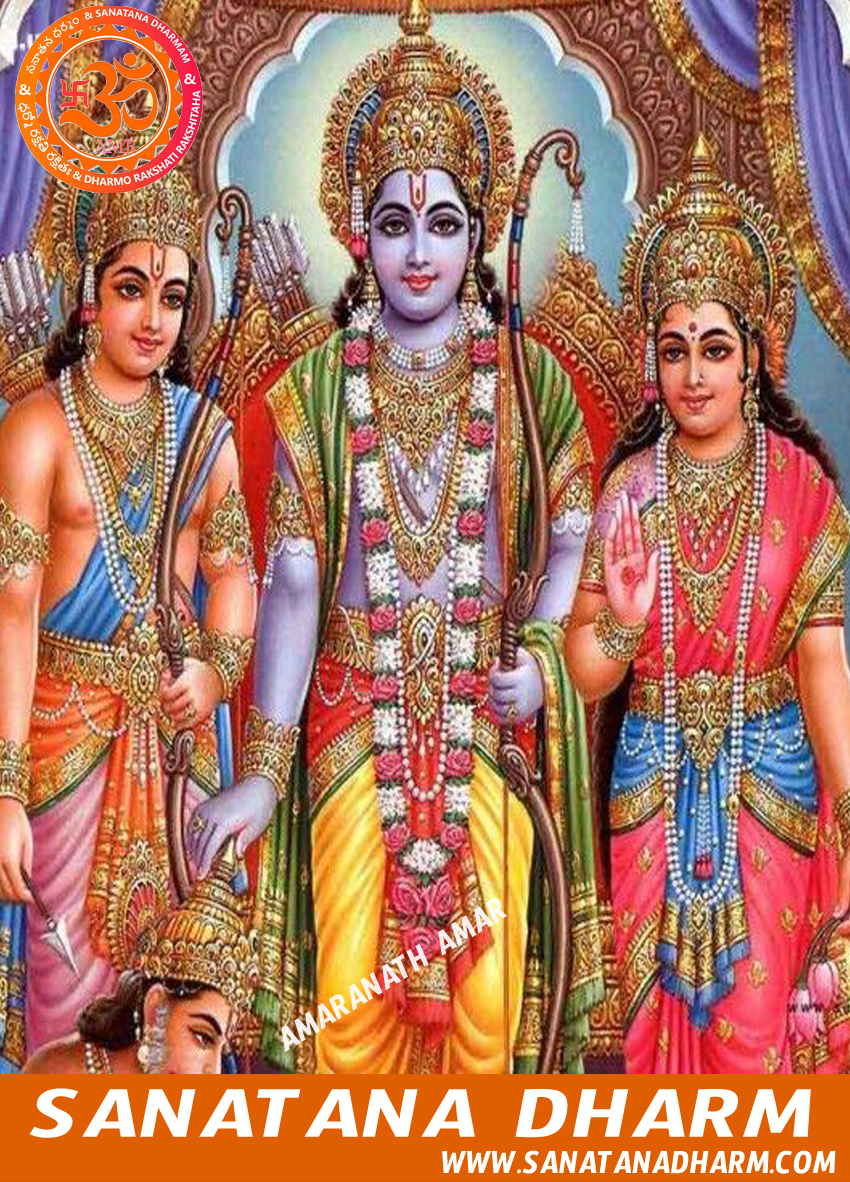
Rama said to thus, "Let this ballad be keenly heard from these divinely resplendent brothers, for it contains versatile words and meanings...' and thus he motivated the singers. [1-4-32]
यह कथा देवताओं के तेज के बारे में है, जो विचित्र अर्थों और शब्दों से भरी है। इसे गायकों ने अच्छी तरह से प्रेरित होकर गाया।
Bala Kanda – Sarga 4 · v28
तौ चापि मधुरं रक्तं स्वञ्चितायतनिःस्वनम् |
तन्त्रीलयवदत्यर्थं विश्रुतार्थमगायताम् || १-४-३३
Even those two singers have sung the ballad melodiously and effectually, with their clear and clarified voices, like the melody of string and rhythmic instruments, with very clear and meaningful intonation. [1-4-33]
वे दोनों भी मधुर, रक्त (प्रिय) और अपने शरीर से निकले हुए ध्वनि वाले गीत को, तार के लय के समान अत्यंत प्रसिद्ध अर्थ के साथ गा रहे थे।
Bala Kanda – Sarga 4 · v29
ह्लादयत्सर्वगात्राणि मनांसि हृदयानि च |
श्रोत्राश्रयसुखं गेयं तद्बभौ जनसंसदि || १-४-३४
Enthralling courtier's bodies, minds and hearts also, and thus that song shone forth as it is for all ears, bearing a comfort in its manifestation, among the gathering of the people. [1-4-34]
यह श्लोक कहता है कि जो गीत सभी अंगों, मन और हृदय को आनंदित करता है, और कानों को सुख देता है, वह लोगों की सभा में बहुत शोभायमान हुआ।
"These two saint-like Kusha and Lava, who also possess kingly features, but they are great hermits... this narration is endowing good fortune to me also, listen to that great efficacious legend [of Seetha...]" [So said Rama to those courtiers.] [1-4-35]
यह दोनों मुनि, जो राजाओं के लक्षण वाले हैं, और ये दोनों महान तपस्वी कुशीलव, मेरे लिए भी कल्याणकारी हैं। उनके महान चरित्र को सुनो।
Then those two singers, motivated by Rama's words, sang the ballad in maarga system, for they are well versed in it, then even Rama, who is also in the congregation, again to pacify his mind, [for the story of Seetha puts his mind to turmoil,] became interested at heart [to continue listening Seetha's story...] [1-4-36]
तब उन दोनों ने राम के वचनों से प्रेरित होकर मार्ग की विधि और सम्पदा को समझा। राम भी सभा में बैठकर, आभूषणों की इच्छा से मन को लगाये हुए थे।